
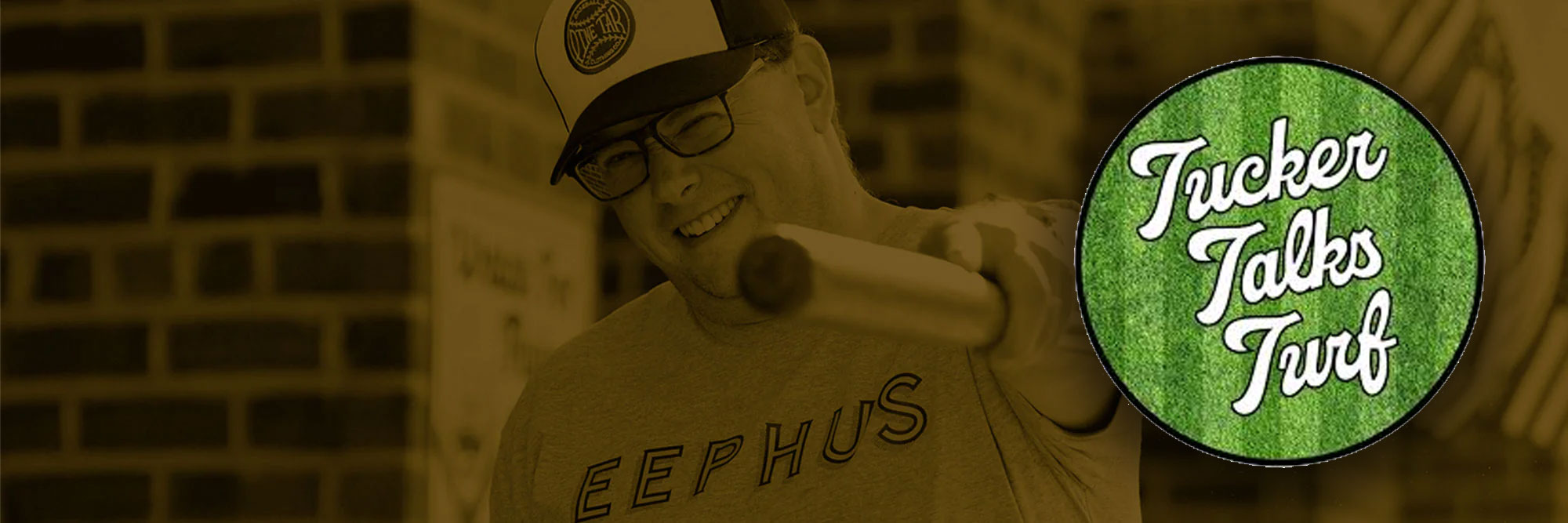
Building Championship Culture On and Off the Baseball Field: Tucker Talks Turf x Pine Tar Podcast
Baseball culture is about far more than wins and losses. It is early bus rides, cold spring practices on snowy fields, dragging the infield by hand, and coaches who quietly turn a ball field into a classroom for life.
In Episode 6 of the Pine Tar Podcast, host Jeff Ruprecht of Pine Tar Clothing sits down with high school coach and creator of Tucker Talks Turf, Jim Tucker, to talk a bout grassroots field maintenance, blue‑collar baseball values, and what it really takes to build a “good dude factory” in a small‑town program.
From Northwest Indiana to Northern Nevada
Jim Tucker grew up in northwest Indiana with a Gary, Indiana mailing address and now coaches high school baseball in Gardnerville, Nevada, just south of Reno and a short drive from Lake Tahoe. He teaches English in his 12th year in the classroom and is in his third year as the varsity head coach at Douglas High School, his wife’s alma mater.
That journey—from Midwest town ball to a mountain‑valley program in Nevada—informs how he sees the game and the fields it’s played on.
Snow, Turf, and the Reality of Spring Baseball
If you coach or play in a cold‑weather state, Tucker’s stories sound familiar. Some years northern Nevada gets almost no snow all winter, then eight inches on the third day of practice. Lake Tahoe might take four feet while his field at 4,500 feet elevation takes just enough to shut things down for a couple days.
He jokes that it feels like the Midwest: snow one day, sunburn the next, with four inches of snow on March 31 gone in two days when temps hit the 60s. That volatility fuels the turf vs. natural grass debate that every northern program knows.
Why Turf Matters in Cold‑Weather Baseball
Jeff shares the Minnesota side of that same battle. For years, his local high school played on a beautiful dirt field that slowly deteriorated and started to take on water every spring. Home games routinely moved three hours north to International Falls—“the Icebox of America”—because that frozen outpost somehow had a playable surface before everyone else.
Only after Jeff’s sons graduated did the school finally install turf, instantly increasing the number of home games they could play. Tucker has a similar experience from his college days at Chicago State: a brand‑new, $3 million turf stadium with lights opened right after he graduated, only to see the baseball program shut down within eight years, leaving the turf as a soccer practice field.
Even as a self‑described “grass guy,” Tucker admits that if someone offered to turf his whole field, he’d probably say yes because you can’t put a dollar value on the hours that maintenance eats out of your family time. Until that happens, he’s committed to talking turf and squeezing every ounce of quality out of his natural grass.
The Blue‑Collar Heart of Baseball Fields
One of the most powerful themes in the conversation is that caring for a baseball field is different from any other sport. Basketball players might pick up trash in the bleachers, and football players trust the grounds crew, but baseball and softball players literally build and maintain the stage they perform on.
Tucker believes you never see a true championship program with a terrible home field. The way a field looks the moment visitors walk down from the parking lot is a silent recruiting pitch, a statement about standards and pride. For him as a former pitcher, it started with protecting the mound he had to compete on; now it extends to every edge, stripe, and base path in his program.
Town Ball, Dirt Fields, and Minnesota Roots
Jeff connects that mindset back to Minnesota’s 100‑year‑old “town ball” tradition—amateur teams in tiny farm towns where guys from age 18 into their 40s still lace them up every summer. These communities maintain some incredible dirt fields, often on pure volunteer labor and pride.
He tells the story of a local legend, Peach Lepper, who decided one year to “fix the field” in Jeff’s hometown. Today it’s one of the nicest dirt fields in Minnesota, the kind of surface that makes you nervous to even step on it because it’s so well‑kept. That’s the spirit Tucker Talks Turf taps into: people who don’t have pro budgets but refuse to settle for a ragged field.
Tucker Talks Turf: DIY Field Maintenance for Real Coaches
Scroll through Tucker Talks Turf and you won’t just see pro grounds crews with five‑figure mowers. You’ll find simple, creative solutions like the famous DIY nail drag made from 40‑penny nails pounded into a 2×4 and weighted just right to break up a crusty infield.
Tucker laughs that you can tell he’s an English teacher because he bought enough nails for three rows and only built two—his math was off—but that drag still works. His core audience isn’t the big league crew; it’s the coach or volunteer who has time and effort but no idea where to start. Tucker’s goal is to give them plug‑and‑play ideas that stretch a tight budget and raise their standards.
Fundraising, Sponsorships, and Sustainable Baseball Programs
Behind the turf videos is a very real financial problem. Douglas High School baseball will spend close to $30,000 on travel alone this year between flights, hotels, vans, and buses to tournaments in Las Vegas, Pahrump, and the massive Anaheim Lions Tournament in California. A single application of fertilizer plus pre‑emergent on their 105,000‑square‑foot field runs about $1,000.
Tucker Talks Turf exists partly to offset those costs. Instead of a sponsor just hanging a banner on the outfield wall that only local fans see, Jim can create content that gives brands regional or even national exposure while directly supporting a program that serves more than 80 athletes across multiple levels. That’s how a small Nevada high school ends up collaborating with brands like Pine Tar Clothing from the Midwest.
How a Custom Online Store Helps Teams Fundraise
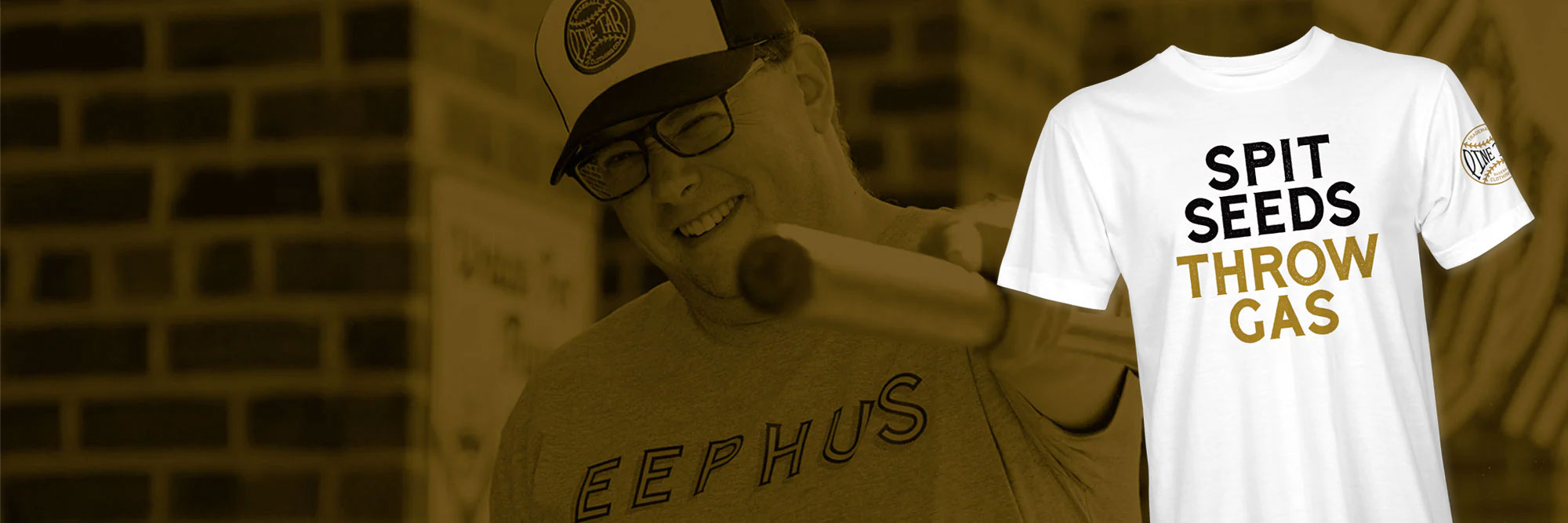
One of the most actionable pieces of the conversation for other coaches is the team store model. Jeff has set up a Pine Tar Clothing fundraiser for Douglas High School baseball that integrates their colors and logo into Pine Tar designs.
From Tucker’s side, it’s nearly “set and forget”: Jeff does the design and store build, families and fans shop, and 20% of sales go straight back to the program. Even if that only buys a couple dozen practice balls or covers one application of fertilizer, it’s money the program didn’t have before. Tucker emphasizes that supporters get something they actually want to wear—unique, baseball‑lifestyle gear instead of generic stock items—while directly funding the program.
Coaching Philosophy: Building a “Good Dude Factory”
Tucker’s coaching philosophy is rooted in four people on his personal “Mount Rushmore”: his dad, his uncle Keith, legendary Hammond Chiefs coach Dave “Bush” Sitkowski, and Hall of Fame college coach Augie Garrido. His dad, a blue‑collar produce manager and talented drummer, drilled two lessons into him: hard work pays off, and please find a job you actually love.
From Uncle Keith, the athlete of the family, and Coach Sitkowski, he learned discipline, routine, and pride in the field. Sitkowski maintained Riverside Park in Hammond, Indiana—moving sprinklers by hand four times a week to create those jaw‑dropping mowing stripes and demanding that players show up 15 minutes early and care about details.
Augie Garrido added a bigger idea: baseball is a reflection of life, and “play ball” is an invitation to become the person you want to be right now. Tucker even named his son August, nicknamed Augie, in honor of that impact.
Life Lessons in a High School Baseball Program
Today at Douglas High, Tucker is the only teacher among 12 coaches. The rest are men who serve the community in other ways—retired firemen, retired DEA, former landscapers—who all bring their life experience into the dugout.
He tells his players that the real measure of his coaching legacy won’t be his win–loss record; it will be how many people show up for his funeral and what stories they tell. Every interaction with umpires, opponents, and teammates is, in his words, “selling tickets to my funeral” by building or damaging that legacy.
The program’s stated standard is simple: be respectful, honest, willing, and kind. Tucker points out that nobody reaches the end of their life wishing they’d lied more, been crueler, or shown up late more often. Baseball is simply the vehicle they use to train those habits.
Player Development and College Opportunities
None of this means Douglas High baseball ignores the performance side. They’ve invested in the infrastructure to help players get recruited: the Aware Sports six‑camera system, Rapsodo, and the other “bumper‑sticker baseball” technologies that show up in college recruiting conversations.
In Tucker’s first two years, the program has already sent eight players on to college baseball, with all three seniors in the current class headed to play at the next level. He wants Douglas to be known as both a place that opens doors for baseball careers and a program that reliably turns out good men.
Travel, Tournaments, and the Nevada Baseball Grind
Structurally, Nevada high school baseball looks different from traditional Midwest setups. In northern Nevada, Douglas plays in a ten‑team league where every opponent is faced twice, home and away, and league standings actually determine playoff seeding. The bottom‑seeded team is eliminated outright, with the 8 and 9 seeds playing a play‑in game for the final spot.
Regional tournaments are double‑elimination, which means depth is critical: if you fall into the loser’s bracket early, you may have to play seven games in a week to win the thing. The top two teams from northern and southern Nevada then meet in another double‑elimination state tournament.
Because schools are so spread out, hour‑plus bus rides are normal, and some smaller‑class programs travel and stay overnight almost every other weekend. Douglas has already flown to Las Vegas and Pahrump for an early tournament and will fly to Long Beach for the massive Anaheim Lions Tournament featuring more than 70 schools from multiple states.
Small Brands, Big Baseball Community
One of the threads Jeff and Jim keep coming back to is how many small, baseball‑obsessed brands and creators are collaborating in this space. Jeff met Benji from Ball Players Balm at the College World Series, and Tucker has worked with him as well. Jeff also highlights Jeremy Mitchell of Mitchell Bat Company in Nashville, who started making artisan bats as gifts and fundraising items, often with player names and proceeds supporting programs.
Those relationships usually start the same way Jeff and Jim met: a DM on Instagram, a shared love of the game, and a willingness to show up in person when paths cross at events like the College World Series. Baseball becomes a melting pot of creators, coaches, and small brands all telling different parts of the same story.
Turning Classrooms into Content and Community
Ironically, Tucker Talks Turf didn’t start on the field. It started in Jim’s English classroom as a writing assignment where he asked students what kind of YouTube channel they would create. When a student asked him the same question, he answered immediately: “I’d just cut the grass.”
Three words from a student—“Why don’t you?”—pushed him to actually do it. Months later, Tucker Talks Turf is giving coaches free field‑care education, bringing in sponsorship value for Douglas baseball, and even creating friendships like the one with Pine Tar Clothing’s Jeff Ruprecht.
Why This Episode Matters for Baseball Coaches and Parents
If you are a coach, parent, or player in a community baseball program, this episode is a blueprint for building something bigger than a season’s record. You’ll hear how:
-
Field maintenance can teach discipline, pride, and attention to detail.
-
Simple, low‑cost turf solutions can elevate your facility.
-
Creative fundraising—team stores, content partnerships, local sponsors—can fund travel and field care.
-
A clear coaching philosophy (“good dude factory”) can guide every decision you make.
Tucker Talks Turf proves you don’t need a pro budget to build a field that reflects your program’s heart and hustle. Pine Tar’s team store model shows that fans can wear that same ethos on their chest while directly supporting the kids in their community.

Written by Jeffrey Ruprecht


Leave a comment
This site is protected by hCaptcha and the hCaptcha Privacy Policy and Terms of Service apply.